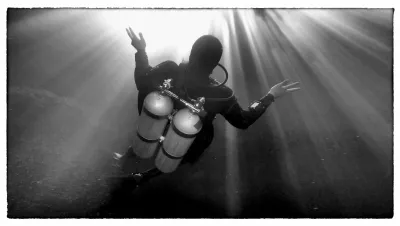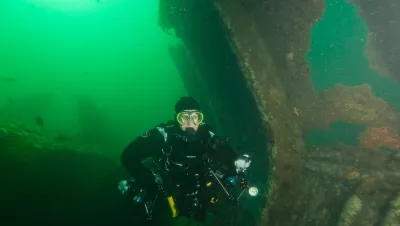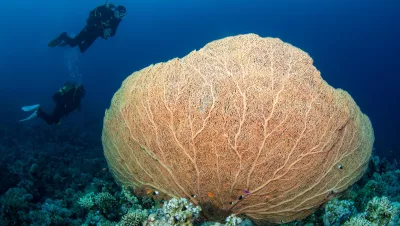
A term that has crept into discussions of scuba diving safety comparatively recently is βsituational awareness,β a concept that originally arose in the field of aviation but has now been extended to a wide range of human activities, from medicine and motoring to personal security and law enforcement. Simon Pridmore offers insights and advice on safe diving with a scuba sixth sense.
Feature articles in this issue with stand-alone pdfs
To help promote dive tourism in the Baltic Sea, the European Unionβs Project Baltacar, a collaboration between Sweden, Finland and Estonia, has developed underwater heritage trails for visiting a selection of unique wreck sites in the three countries. In Finland, the project has established buoys and created dive site maps for a group of five wrecks from the 17th to the 19th centuries, located just outside Hanko. Susanne Lundvall reports.
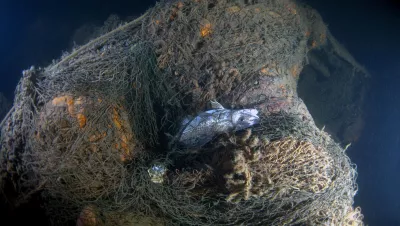
It is estimated that hundreds of thousands of tons of ghost nets lie at the bottom of the Baltic Sea, often caught on shipwrecks, many of which are historical in significance. The Baltic Sea Heritage Rescue Project brings together volunteers from all over the world with the drive to locate, document and remove such ghost nets from wrecks in the Baltic Sea, thus saving marine life, protecting the wrecks and keeping their stories alive. Sabine Kerkau, one of the co-founders of the project, reports.
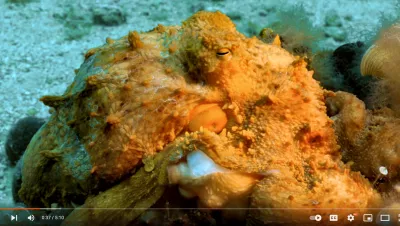
Looking at his body of work, Lorenzo Moscia appears to be a βtriple-threatββhe is a photographer / videographer, composer and video editor. He is also a photojournalist and investigative reporter with a law degree, and a technical diver. X-Ray Mag interviewed him to learn more about his recent video, Underwater World, his creative process and his perspectives.
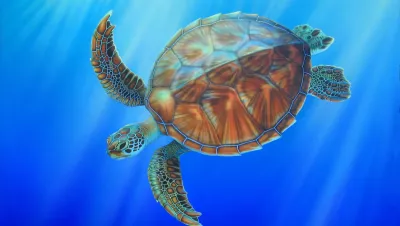
Sighting a sea turtle on a dive is always a pleasure. However, few know much about what they are like as animals. Being reptiles, it is assumed that they are essentially on automaticβemotionless and thoughtless. But we changed our minds about that when Merlin came. Ila France Porcher relays the tale of rehabilitating a sick sea turtle in Tahiti, at a time when turtles were often hunted for food.
We asked our contributors what their favorite underwater photos taken with their camera angled upward were, and they returned with a variety of subjects captured while looking up... from delicate macro marine life to floating jellyfish, from majestic manta rays to divers and even birds.
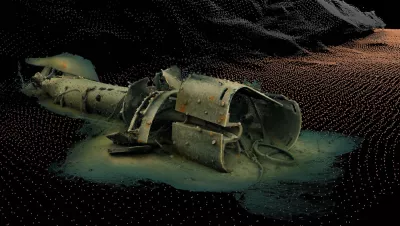
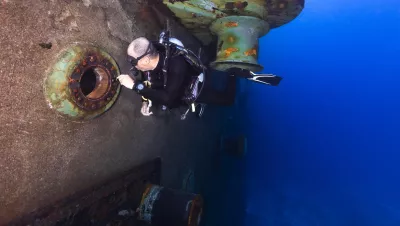
Scapa Flow, located in the Orkney Islands of Scotland, is the site of the scuttling of the High Seas Fleet of the Imperial German Navy in June 1919 at the end of World War I. While many of the wrecks were salvaged following the war, the remaining wrecks have become popular dive sites. In recent times, efforts to learn more about these wrecks through multibeam sonar surveys and 3D photogrammetry have taken place. Rosemary E. Lunn interviewed key figures involved in these developments to gain further insight.
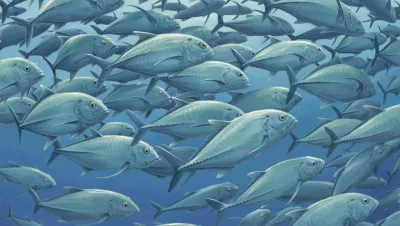
Self-taught Japanese artist Setsuo Hamanaka creates beautiful, detailed and dynamic paintings of aquatic life in a variety of settings from the open ocean and mangroves to freshwater ponds and cityscapes. X-Ray Mag interviewed the artist to learn more about his creative process and what inspires him about the underwater realm.
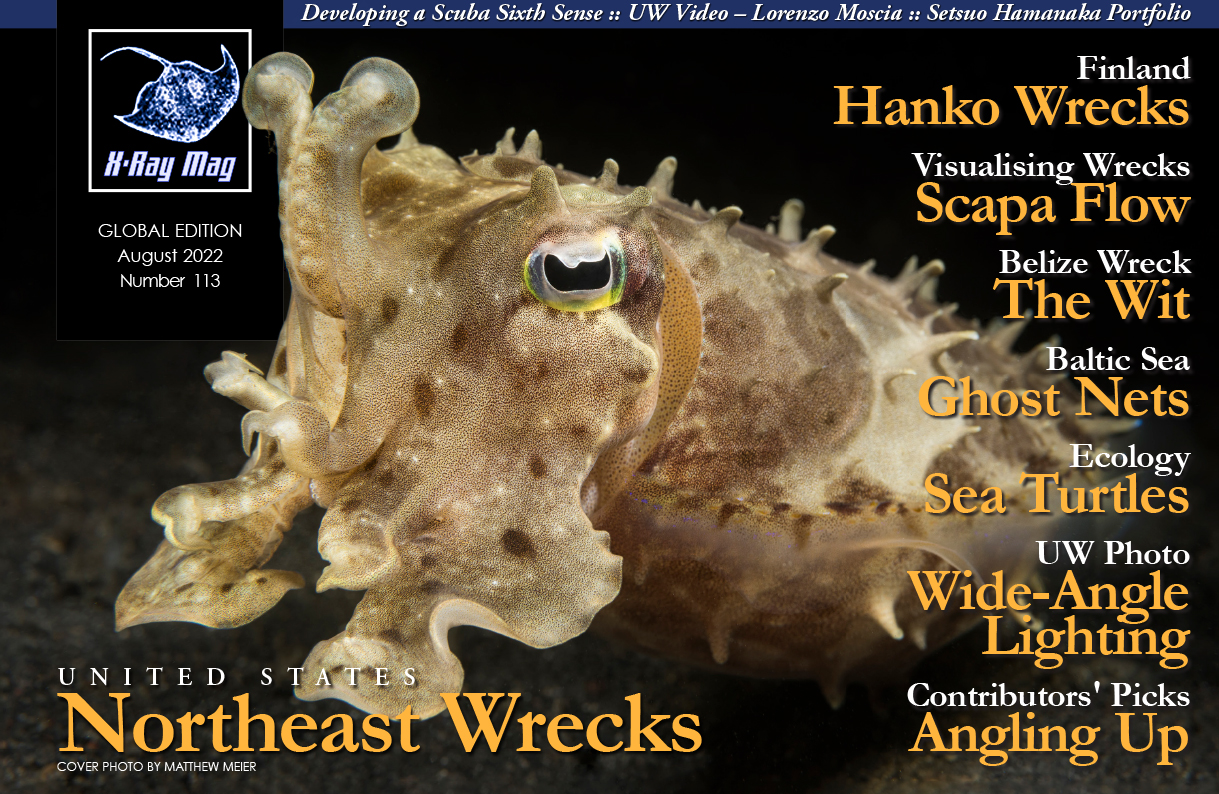
The waters running north to south from the Long Island coast to northern New Jersey are nicknamed βWreck Valleyβ by local divers. Larry Cohen and Olga Torrey share the stories of some of the war shipwrecks found in these waters, located off the US northeastern coast.
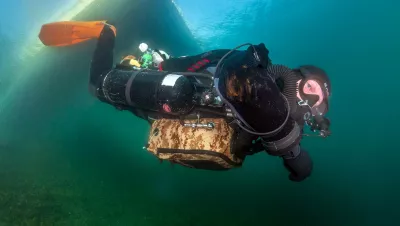
Technical diving instructor and inventor Gregory Borodiansky is qualified to dive 20 different rebreathers. He is also a rebreather instructor on many units and a rebreather instructor trainer. Since Borodiansky has a background in electronic engineering and computer science, he took the features he liked on each unit and designed a front-mounted rebreather. Larry Cohen reports.
Belize is a country blessed with an abundance of fabulous coral reefs, to which its newest underwater attractionβthe sunken ship "The Wit"βadds another dimension. Angelique Brathwaite has the story.
One of the biggest challenges to using strobes in underwater photography is positioning. In this article, Kate Jonker offers six simple steps to better strobe positioning for wide-angle underwater photography.
Other news published in this issue
Biologists have discovered in Hong Kong waters three new species of hard coral which have never been identified anywhere else in the world. The findings come shortly after their discovery of one new coral and two new nudibranch species.
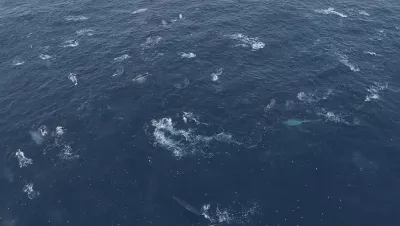
Scientists have seen fin whales in massive numbers feeding near their ancestral hunting grounds of Elephant Island in the Antarctic.
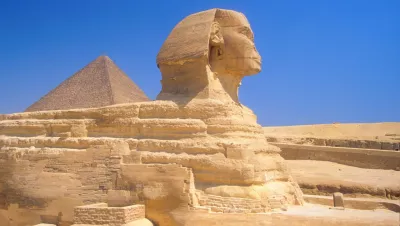
Egypt's tourism ministry has announced that amateur photography in the countryβs public spaces is now allowed.
Vietnam has banned swimming and scuba diving off Hon Mun Island in an attempt to revive its damaged coral reef.
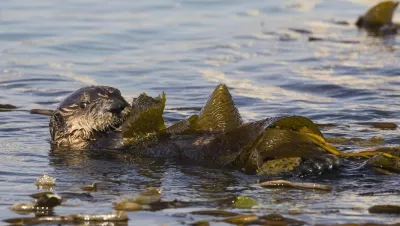
Decades of conservation work have boosted sea otter populations from near extinction in many parts of the North Pacific, but the animals are now being killed by great white sharks.
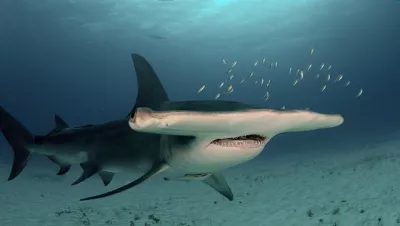
Petition to Protect Great Hammerhead Sharks Under Endangered Species Act submitted to the US Secretary of Commerce.
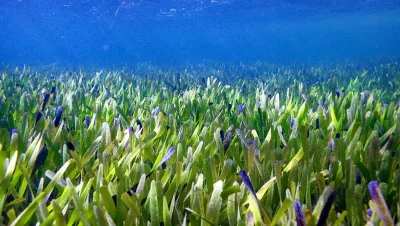
Seagrass meadow stemming from a single hybrid plant has extended its reach across more than 180 kilometres. This makes it the worldβs largest known plant.
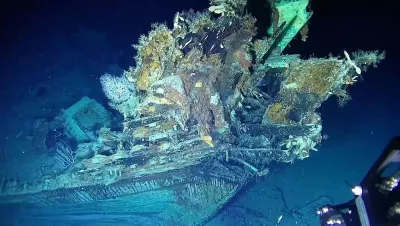
Colombia's Navy has shared unprecedented images of the legendary San Jose galleon shipwreck, thought to be carrying 200 tons of gold, silver and precious stones.
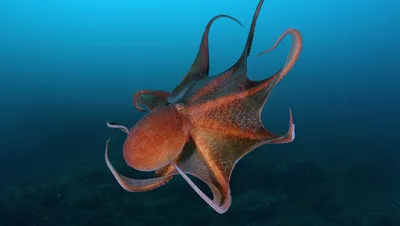
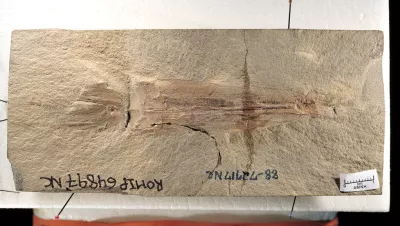
A study of the fossil has extended the fossil records of the vampyropod by nearly 82 million years.
The 16th Malaysia International Dive Expo was attended by more than 11,000 visitors attending the show, of which 20 percent were international, which was better than expected.