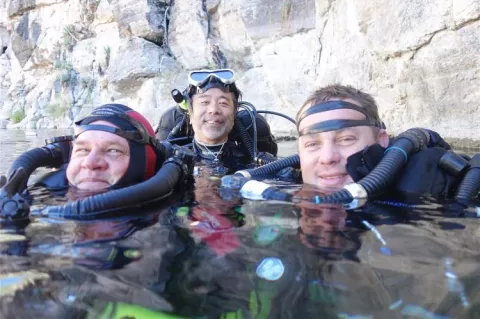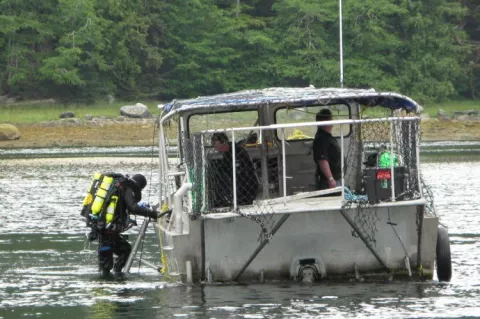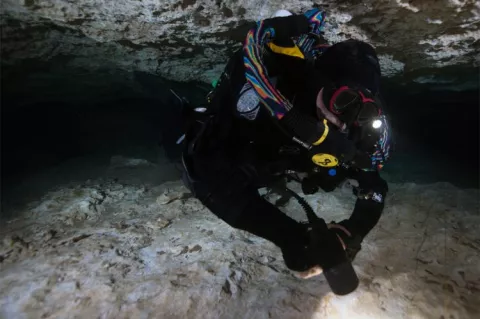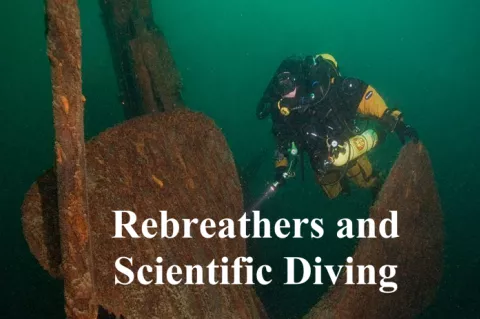
Richard Pyle is an early adopter of technical-diving practices and is known around the world as a rebreather diver and designer. He is a highly respected Ichthyologyist (in plain English a scientist who studies fish) and he has discovered many new species of fish.
A dive with a profound effect
When Richard Pyle was 19 he was living and diving the western Pacific Ocean off Palau. During his time there he suffered a very serious case of decompression sickness and became quadriplegic.
RF3 was convened primarily as a platform for discussion of various issues that may have an impact on the safety of diving with rebreathers. It was attended by many expert presenters and rebreather divers who contributed to these discussions.
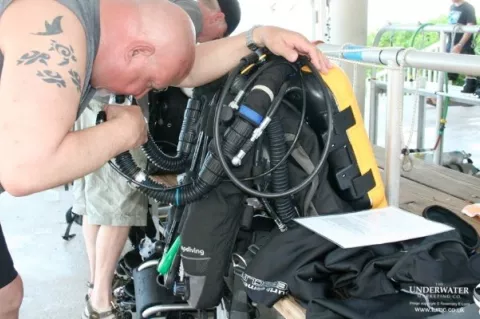
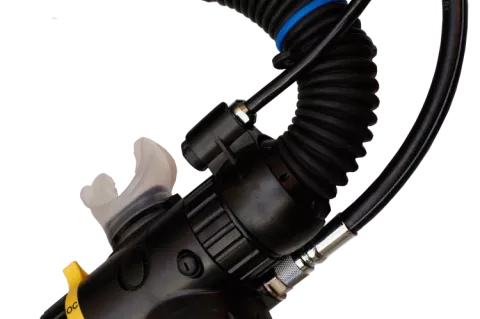
It was recognised however that the forum would also attract some divers who were not rebreather users, but who were perhaps contemplating purchasing one, or simply interested in learning about them. For this reason the program included this presentation on the basics of rebreather devices.
Usually, when going to conferences, I would go the airport, jump on a plane, fly to some other country, go through customs and immigration, then hop in a taxi and check into some business hotel close to a conference or expo facility, usually placed in some nondescript business district some distance from a city centre and certainly not close to any water or diving. The next morning, I would then make my way to some conference centre where I would sit and listen to presentations all morning, have lunch and then listen to more presentations in the afternoon.
Located near the old town of Gjirokaster, Viroit Cave has been on my list of special dive locations I have wanted to visit for a long time. Unfortunately, there was not a lot of information available on the Internet about diving in this country. And regarding cave diving in Albania in particular, there was absolutely nothing. Even for a European country, it was a dark spot on the map.
Award-winning underwater cinematographer and documentary producer Nathalie Lasselin reflects upon her dive expeditions in the Arctic and her epic project to raise awareness about the state of fresh water in the St Lawrence River, closer to home in Montreal.
It was the end of April, and it was supposed to be the end of winter. But once again, I had to refrain from putting my thick winter coat on the very top shelf of my wardrobe. I was already looking for the first barbecue party with friends, but the north was calling me—the Great Canadian North—and how could I say no to going back to the floe edge? So, I packed my winter coat, my diving and filming gear, and headed to a small village in the remote north called Pond Inlet. It was one of the isolated hamlets where the only road was the sea of either water or ice.
Prior to this meeting the Rebreather Education and Safety Association (RESA) and the Rebreather Training Council (RTC) had been having a robust active discussion about industry-wide rebreather training standards. It seemed sensible therefore to take the opportunity for the two organisations to find a common path forward.
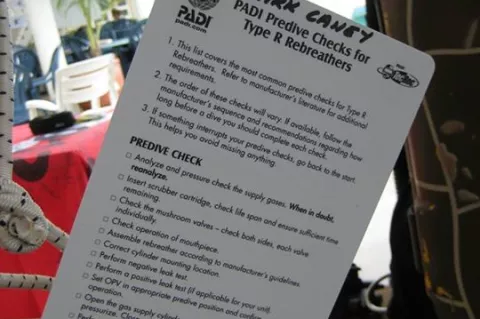
Mark Caney from PADI and the RTC stated "The key item to come out of this meeting was an agreement for a joint committee to look at standards issued by both organisations, and work objectively towards harmonisation of standards.
The vast majority of AP rebreather divers will have been informed of this update by email. However it has come to APD's attention that some of their registered Inspiration users have not received the mailing. This is either because the email address APD has on record is out-of-date or the mailing has been rejected by the individual's spam filter.
AP Diving has therefore made the following request.
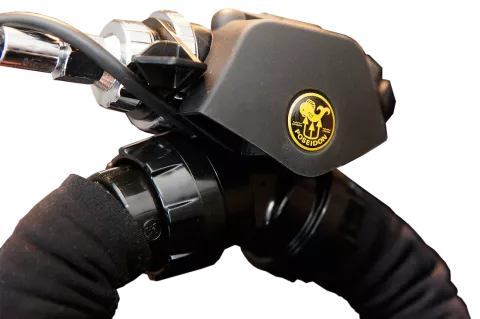
The (34,000 Swedish Krona) package consists of a SE7EN E-module, two HP-sensors and a HUD.
The deadline for this upgrade is 24th December 2017 and it cannot be combined with any other offers. The old MKVI e-module must be returned to Poseidon and the owner will also need to either buy a M28 or a Paddle with a can connector.
Poseidon has also confirmed that there will be a minor upgrade for current SE7EN owners so that their rebreathers are solid state sensor ready.
The Rebreather Training Council (RTC), which represents training agencies providing courses for divers using rebreathers, has just published its first training standard, which indicates the minimum requirements for a level of training.
This first standard is called "RTC Rebreather Diver Level 1," and it delineates a stage in a diver’s development where he or she is trained to dive with a rebreather to a maximum depth of 30m (100ft) with no planned stage decompression stops, and without supervision by an instructor or divemaster.
This standard will make it easier to compare certifications from different agencies, and is intended to be followed by others later.1