Safety Culture - diving in the zone
Images
“Thank [beep] for that! How lucky were we? We better not do that again.
Don’t tell anyone though, we don’t want to look like amateurs...”

Technical Diving & Training
Technical Diving & Training
“Thank [beep] for that! How lucky were we? We better not do that again.
Don’t tell anyone though, we don’t want to look like amateurs...”
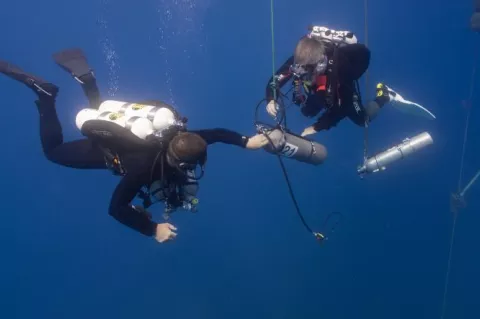
Say you are in some far-flung location where it will take quite some time to get to any recompression chamber. What do you do if you get decompression sickness? Get back in the water and recompress?
How much weight should a diver use? How much is too much or too little to maintain proper posture, balance and air consumption? How do you adjust for a new wetsuit? Simon Pridmore discusses weight issues and offers tips and advice.
This column is adapted from a chapter in my book, Scuba Physiological – Think you know all about Scuba Medicine? Think Again! The chapters in this book were originally written by scientists in the field of decompression research as part of a three-year project called PHYPODE (Physiology of Decompression). My (self-appointed) task was to rewrite their sometimes-complex research in a form accessible to all divers.
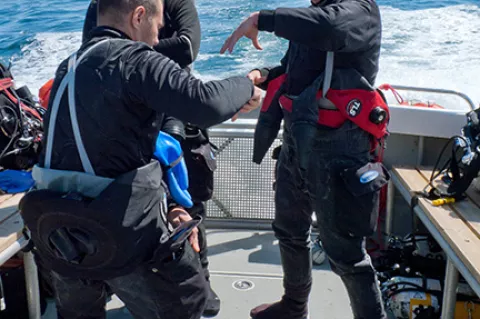
Diving is not without risk—there is always a chance of death. There is always a latent or potential lethality within the “system”—where system is defined as the equipment, people and the physical, social or cultural environment. We cannot make diving 100 percent safe despite what anyone tells you. We can make things safer, but we cannot make diving safe.
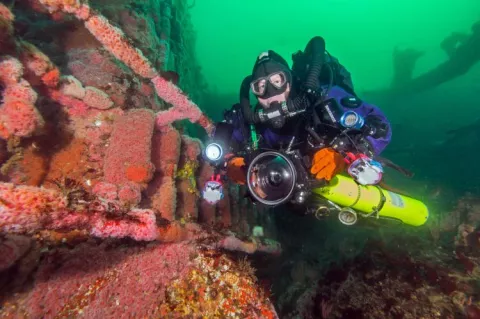
Once considered an extreme activity reserved only for a fringe set of explorers and adventurers, technical diving has grown in popularity since the ‘90s and has become mainstream. However, technical diving is not for everyone. Aside from an advanced skill set, it also requires a certain mindset. How do you know if you have got it? Simon Pridmore offers insights into what makes a good technical diver.
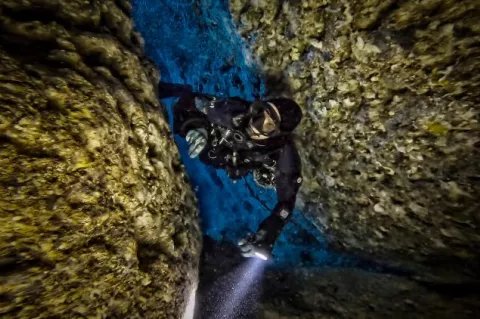
It may be more than four years since the 2018 Thai cave rescue dominated headlines, but the recent movie and miniseries releases have generated highly emotional reactions once again. Are divers being put off cave diving, and why should any diver consider going underground? Yvonne Press takes a closer look, interviewing several divers and technical diving instructors for this report.

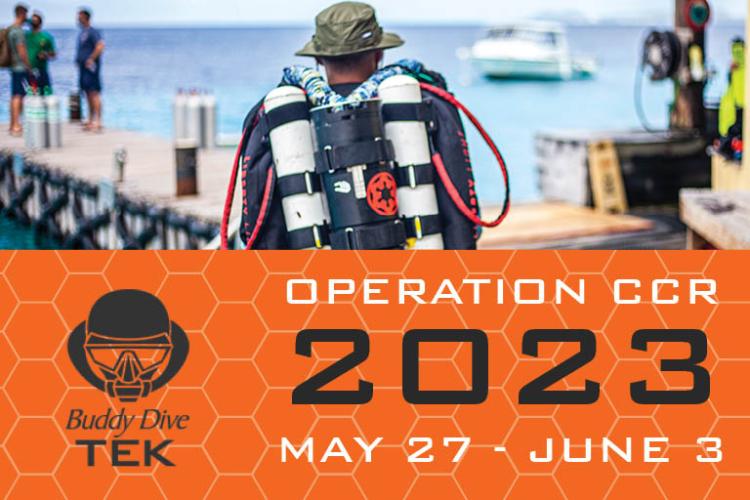
In 2023, Your Buddies on Bonaire are back with a new edition of Operation CCR.
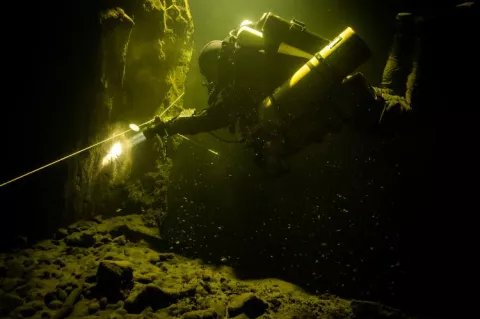
The desire for adventure lies in wait and entices us… On Utö, there was an unexplored mine system. Follow Anders Etander down into the darkness, where the “In Water Under Land” exploration group had the privilege of diving in a place that has been untouched for 150 years.
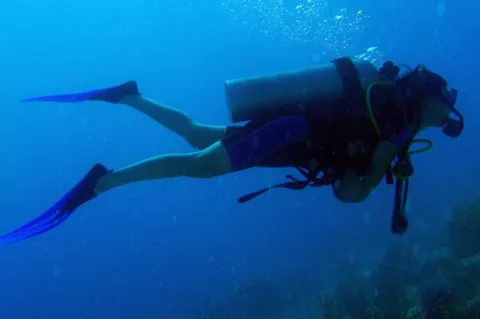
Trim is a misunderstood, and often poorly rectified, scuba skill. In our scuba journey, trim is something that we may or may not encounter or discuss, unless we get into technical diving or more advanced recreational diving. Francesco Cameli offers insight and advice in how to improve your trim and increase your efficiency in the water.
During the most significant technical diving event in the Caribbean, our guests enjoyed demos and tryouts with the newest equipment, presentations from renowned names in the industry, and lots of exciting and fun tec dives.