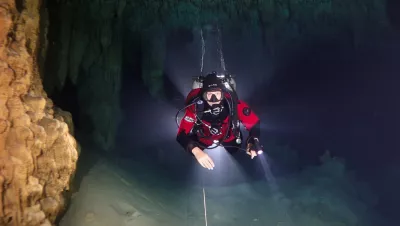
When one thinks about cave diving, the feelings are mixed and it is very difficult to express what it feels like in a single word, but perhaps a possible description is “to live the discovery.” Discovery is an experience and an intrinsic need in human beings since before the discovery of fire. Exploration on earth, in the oceans or on the moon is driven by an impulse to see what lies beyond, in order to better understand who we are, where we come from, and where we are.
Feature articles in this issue with stand-alone pdfs
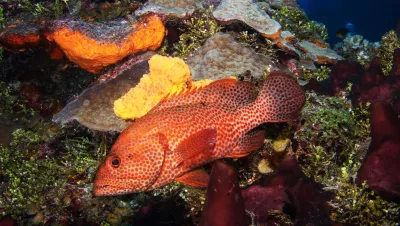
In the first of the DecoStop Q&A series, we meet British award-winning underwater photographer, author and marine conservationist Dr Richard Smith, who is the author and photographer of the bestselling new book, The World Beneath: The Life and Times of Unknown Sea Creatures and Coral Reefs.
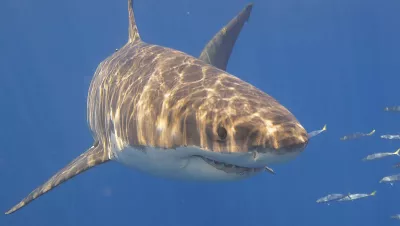
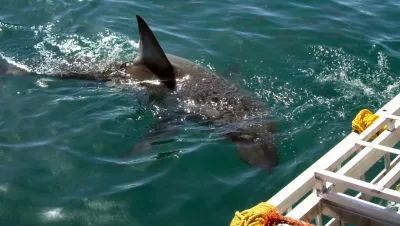
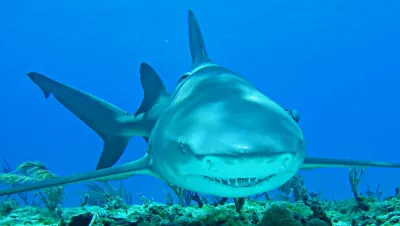
The great white shark (Carcharodon carcharias) is undeniably the most well known of the ocean’s many predators. It has, one could say, “form” and is widely considered as a ruthless and terrifying man-eater, which has taken the lives of many innocent swimmers, surfers and divers.
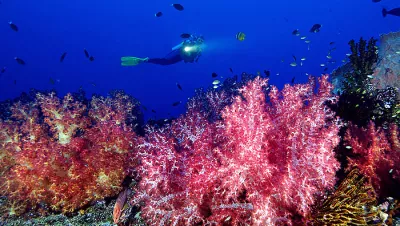
The Raja Ampat Islands, located in Indonesia’s West Papua province, nestled between the Pacific Ocean, the Halmahera Sea and Seram Island, are at the crossroads of tremendous biodiversity and coral diversity—home to 75 percent of the world’s reef species. Pierre Constant returned to the region and shares his tales of diving and cultural experiences there.
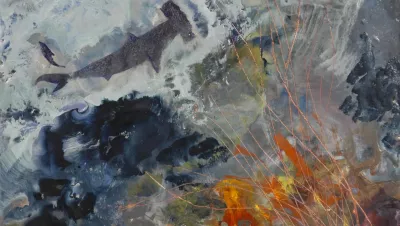
Intrigued by the pairing of art and science, American artist Judith Gebhard Smith creates stirring, atmospheric and haunting pastel drawings and encaustic paintings of marine life and underwater scenes inspired by her experiences diving exotic locations around the world where she has met diverse and curious creatures of the underwater realm. X-Ray Mag interviewed the artist to learn more about her artwork, creative process and perspectives on the planet’s fragile oceans and reefs.
As our boat headed to the dive site, it was hard to imagine the previous year. With the island of Cozumel to my back, the 180-degree-view of water in front of me was filled with dive boats. While sometimes in the past I would be annoyed to see so many other divers, it was a relief to see all the boats, and it gave me a bit of hope for the future of the dive industry as the pandemic (hopefully) comes to an end. If it is open, they will come.
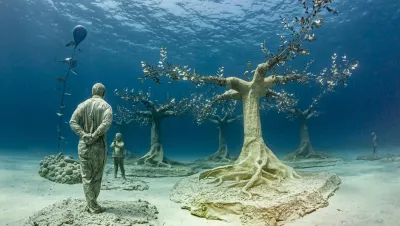
Cyprus has unveiled a new underwater attraction: A museum of 93 underwater sculptures by British artist Jason deCaires Taylor. Andrey Bizyukin went to Cyprus to check it out. He shares his surreal experience in this underwater wonderland.
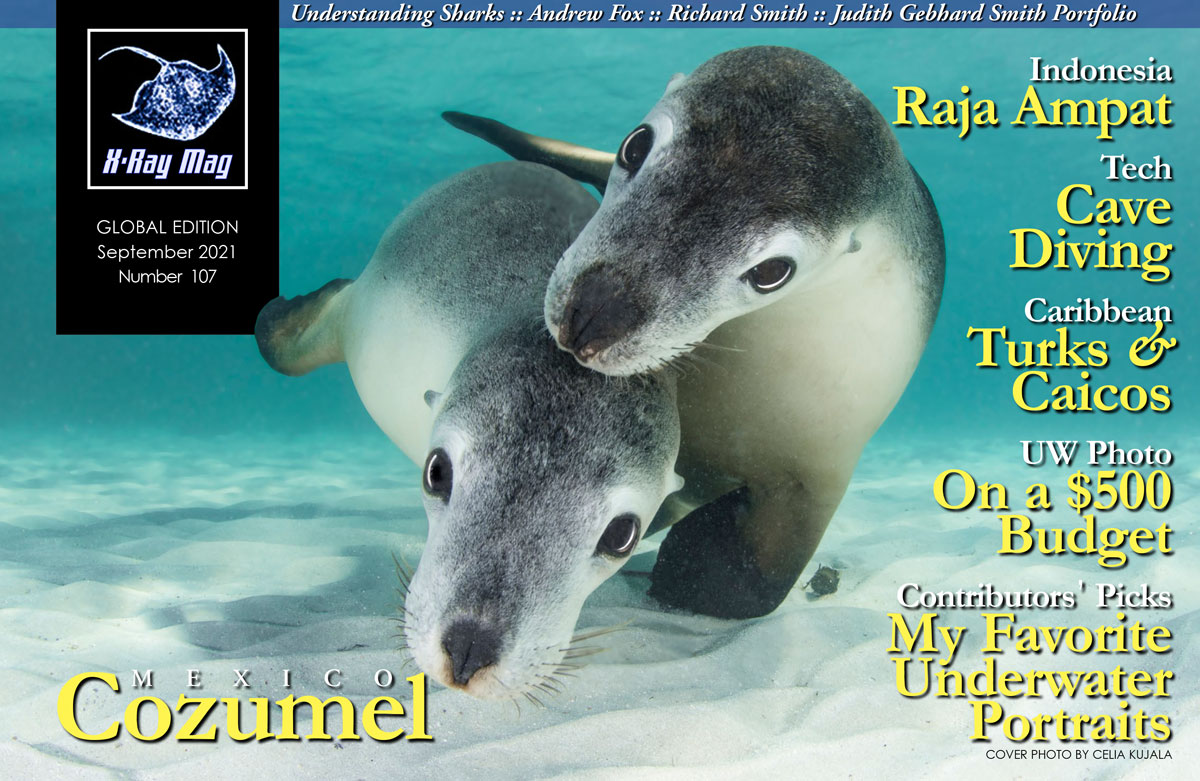
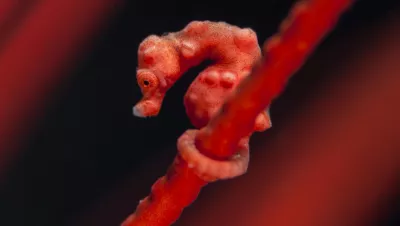
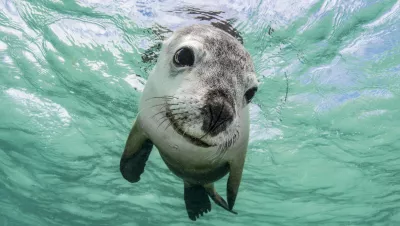
We asked our contributors what their favorite underwater portraits were, and they sent us photos and tales of intriguing marine life. From sea lions to hammerhead sharks, manatees to sea turtles, dolphins to pilot whales, lemon sharks to pufferfish, wrasse and seahorses, and even kids, X-Ray Mag contributors share their favorite images showing a range of faces and personalities found under the waves.
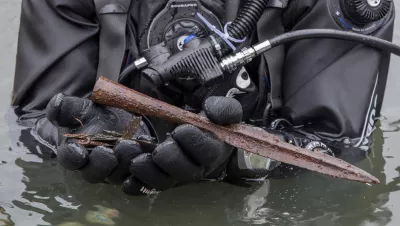
In the spring of 2021, Oryol divers discovered the site where the Battle of Sudbischen took place in 1555. This battle between the Russian army and the Crimean horde was a fateful event, in name and in nature, in the history of Russia during the era of Ivan the Terrible.
Recently, I was part of an online panel discussing the history of scuba diving. One of my fellow panellists mentioned the film Blue Water, White Death as having been a watershed as far as awareness of the need to protect large marine animals was concerned.
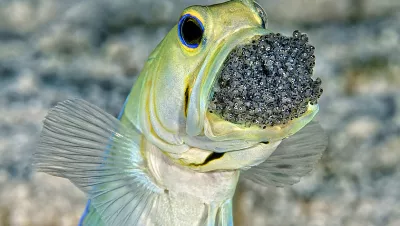
Comprising two tropical island groups located 932km southeast of Miami, the Turks and Caicos Islands are a British Overseas Territory in the Lucayan (or Bahama) Archipelago of the Atlantic Ocean. Underwater photographer Scott Johnson describes the easy diving found here as he meets the challenge of capturing images of mouth-brooding behavior in fishes.
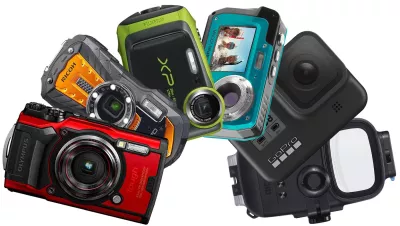
Scuba diving is not really an inexpensive hobby, considering the costs of training, equipment and travelling. Furthermore, many divers love to capture images and videos of all the things they have seen underwater. So, underwater photography then adds an additional burden onto one’s piggy bank.
Other news published in this issue
Some coral communities are becoming more heat tolerant as ocean temperatures rise, offering hope for corals in a changing climate.
A growing shark population off Cape Cod shores has spawned a rising number of charter boat operators offering shark tours in a region where whale- and seal-watching excursions have long been popular.
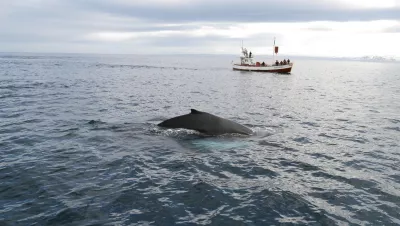
Researchers are studying whales' stress levels in their hormones by sampling cortisol in water droplets from the whales' spray, also known as the blow.
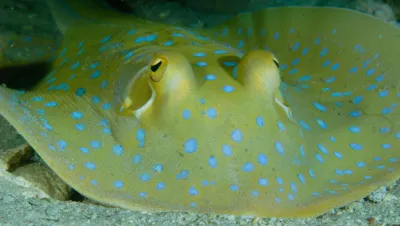
Rather than introducing drag, the protruding eyes and mouths of stingrays have the opposite effect, allowing stingrays to swim even faster and more efficiently, hydrodynamic simulations show.
Medical facilities, which were usually available to treat injured divers in an emergency, may not be available until the current medical crisis passes. For the recreational diving community, this is a critical safety issue.
Another piece of pro-shark-fishing propaganda has been published in the form of a ‘scientific’ paper (Shiffman et al. 2021). While promoting commercial shark fishing and the shark fin trade, it belittles shark conservationists by claiming that their approach to shark conservation is lacking in scientific knowledge.
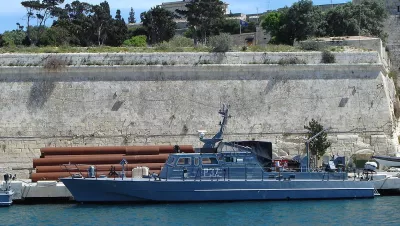
The decommissioned army patrol boat was scuttled on Saturday morning off Żonqor Point in a bid to stimulate dive tourism.
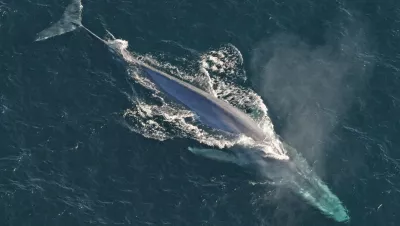
A new population of pygmy blue whales has been discovered in the Indian Ocean, thanks to the recordings of underwater nuclear bomb detectors.