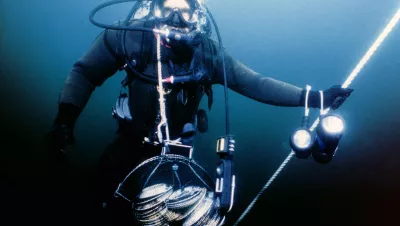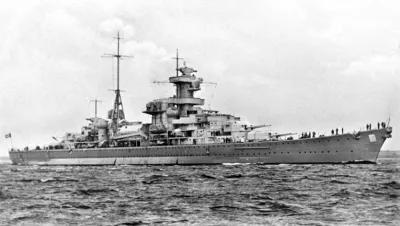
A joint group of GUE divers from Norway, Sweden and Finland, led by project leader Gunnar Midtgaard, documented the wreck of the Blücher in Norway, and its condition, during the summers of 2011 and 2012. Mattias Vendlegård, who served on the photo team during the project, has the story.
Feature articles in this issue with stand-alone pdfs
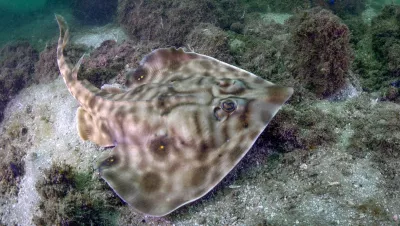
Shark aficionado, photojournalist and conservationist Andy Murch, a self-confessed “elasmo-holic,” braves the chaos of Christmas holiday travel during a pandemic to get to Costa Rica, in his quest to capture images of elusive sharks and rays in areas less travelled.
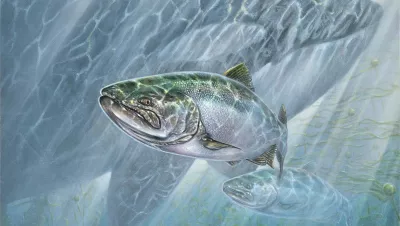
Canadian artist Curtis Atwater creates beautiful paintings of marine life and underwater scenes that capture the light and dynamic motion of species under the waves. X-Ray Mag interviewed the artist to learn more about his creative process and perspectives.
In this edition, we meet dive professional, technical diving expert, accomplished writer and X-Ray Mag columnist Simon Pridmore, to find out his motivations for writing his Scuba series of dive books, and how his books are different from other dive books on the market.
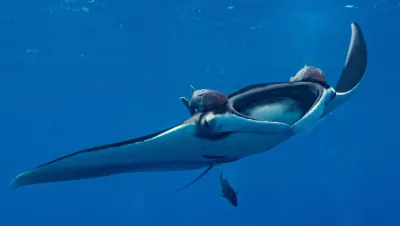
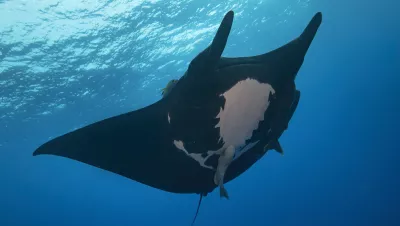
Gary Rose, a plastic surgeon, dive professional and researcher in marine microorganisms and large ocean apex predators, takes us on a delightful jaunt to Costa Rica to dive with giant mantas. He shares glimpses of the experience both above and below the waves.
Legendary American explorer John Moyer has dived many wrecks along the North American eastern seaboard. But his name is synonymous with the Andrea Doria wreck, on which he made over 120 dives in the '80s and ‘90s, salvaging artifacts, and conducted in-depth research. In this interview by Andrea Murdock Alpini, we gain insight into his life and deep relationship with the Andrea Doria.
Once a year, the Solitude One liveaboard makes the 800km journey from Anilao down to Surigao in the Philippines, stopping at Verde Island, Romblon, Ticao, Malapasqua and Southern Letye on the way. On this dive cruise, one can dive with whale sharks, thresher sharks and manta rays, or do super-macro underwater photography and even black water dives. Mattias Sellin shares his adventure.
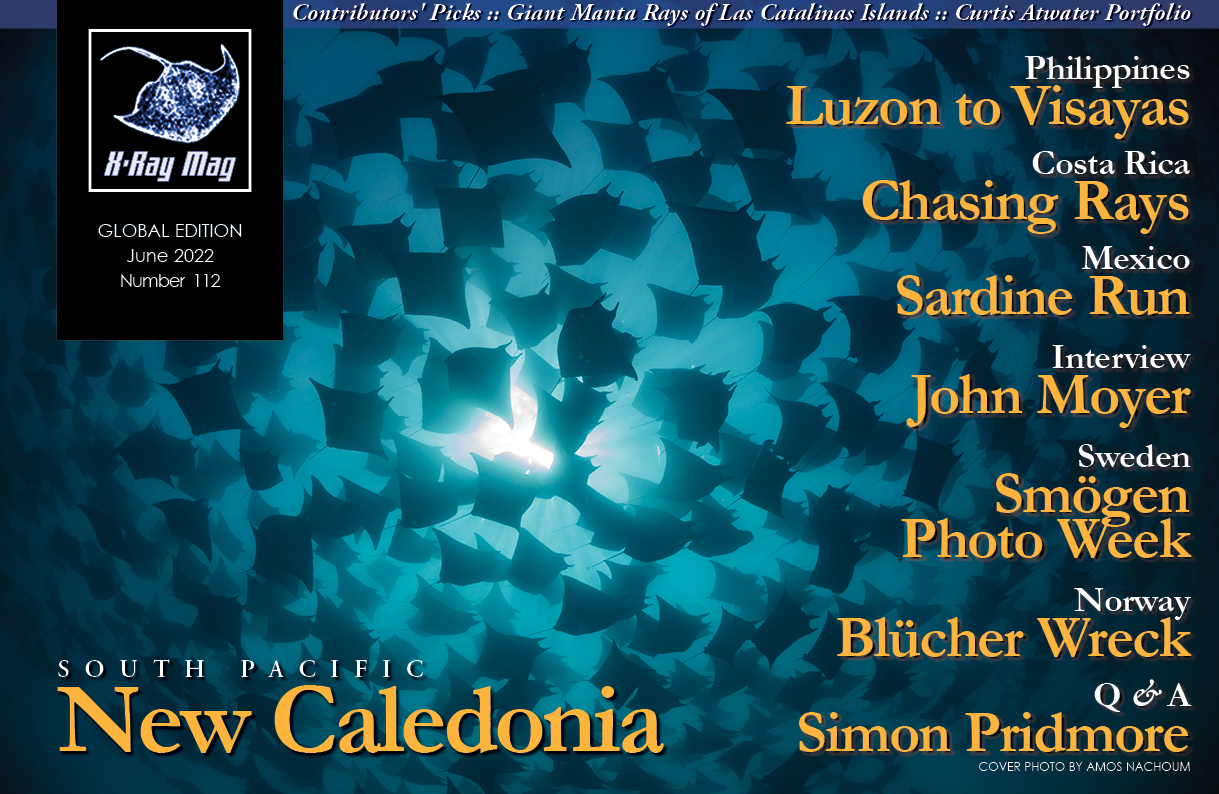
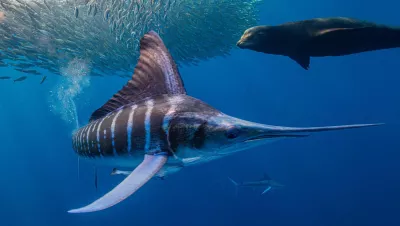
Although striped marlins (Kajikia audax) are slower than some of their billfish cousins, their 50-mph speed was plenty fast for me. I tried to swim alongside this stealth bomber of the sea as it worked a baitball to separate individual sardines from the silvery mass. Amos Nachoum has the story.
We asked our contributors what their favorite underwater photos featuring circles, curves, bubble shapes and swirling patterns were, and they came back with a diverse selection of subjects from delicate macro marine life to majestic manta rays and giant whale sharks.
Considered the longest continuous and second largest in the world, the reef systems of New Caledonia have some of the most diverse concentrations of reef structures on the planet, providing a home for a vast diversity of species, including 2,328 fish species. It is an important site for nesting green sea turtles, and there are also large populations of dugongs and humpback whales. Pierre Constant shares his adventure.
Well-trained divers all know that they need to equalize their ears and sinuses as they descend. Usually, this is an easy process. However, there are some medical conditions that can make this more difficult. Technical rebreather diver and underwater photographer Dr. Michael Rothschild is a pediatric ear, nose and throat specialist in New York. In this article, he walks us through the common causes of nosebleeds during diving, and how to avoid sinus blocks associated with changing ambient pressure that can cause nasal barotrauma and bleeding.
A new photo competition has taken root on the western coast of Sweden, where local and international participants enjoy an exciting week of shooting underwater in Smögen, competing for attractive prizes. One of the contest’s organisers, Annika Malmberg, shares the story of the event, from the initial idea to the final result, as well as plans for its future.
Other news published in this issue
Since 1889 the Pilgrim Hall Museum in Plymouth has had 109 timbers from a shipwreck believed to be the Sparrow-Hawk that sank in 1626. In March 2022, an international, multiyear study on the timbers provided the best evidence that the wreckage is from the Sparrow-Hawk.
Last autumn, maritime archaeologist Staffan von Arbin and his team discovered a very old wreck outside Dyngö, just outside Fjällbacka in Bohuslän (Bohus County). It later turned out to be a real find, but in fact, they were looking for a different wreck.
During a very high tide known as a king tide, a shipwreck believed to be from the 1800s was discovered on the beach in front of the Shoals Club on Bald Head Island.
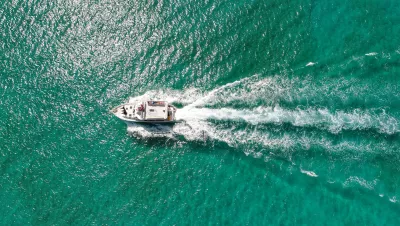
A new study by researchers at the universities of Exeter and Bristol showed that “traffic calming” boosts breeding of reef fishes. For a whole breeding season, scientists implemented traffic calming on three reefs, decreasing the number of boats within 100m and reducing their speed.
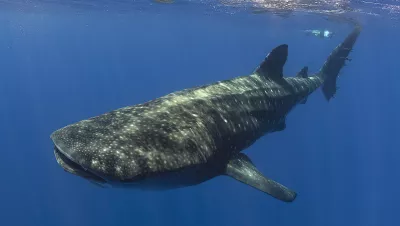
According to new research conducted by marine biologists from the Marine Biological Association (MBA) and the University of Southampton, lethal collisions between whale sharks and large ships are greatly underestimated and may be the cause of declining populations.
Breakthrough allows more accurate data retrieval.
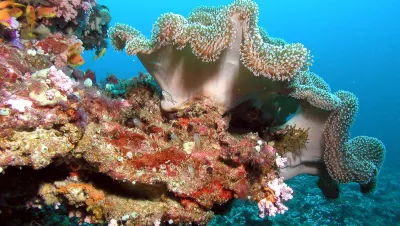
More international collaboration is needed to safeguard the future of the more than 6,000 coral species, according to a new study into controlling the effects of climate change on these organisms. To this end, the study's authors advocated for a network of “mesoscale sanctuaries” (large-scale protected areas) across borders.
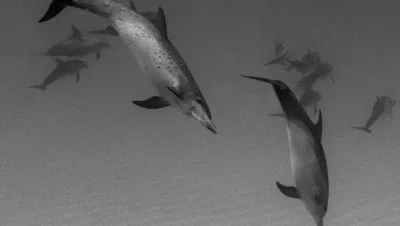
Researchers have discovered that bottlenose dolphins in the Red Sea rub against corals and sponges that have medicinal properties.
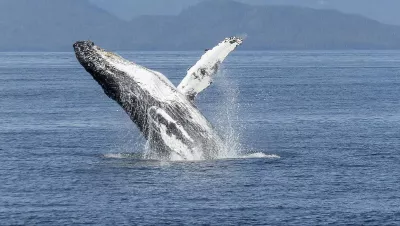
Research using hydrophones moored in the Southern Hemisphere to capture the calls of migrating humpback whales has revealed that the high seas, originally thought to be barren, are teeming with life.
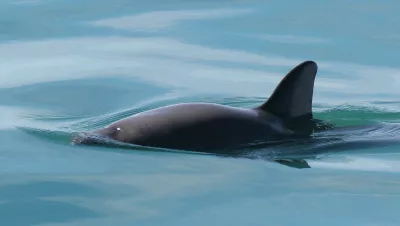
Scientific research shows that the critically endangered vaquita porpoise can bounce back from near extinction if the illegal use of gillnet fishing is halted immediately.
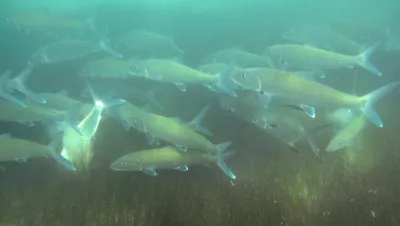
Florida's bonefish are falling prey to pharmaceutical contaminants that find their way into the state's seagrass flats.
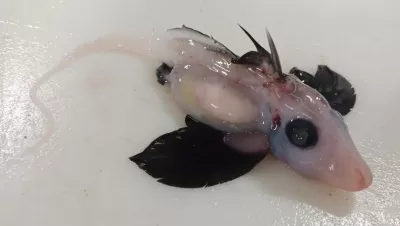
A newly hatched ghost shark has been discovered near New Zealand’s South Island.