Seacam OPP: Rethinking the Underwater Dome Port

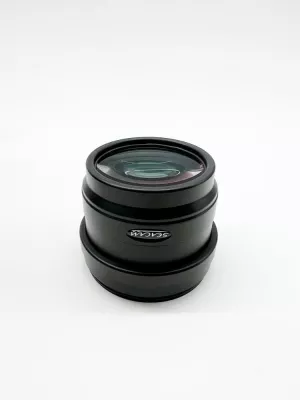
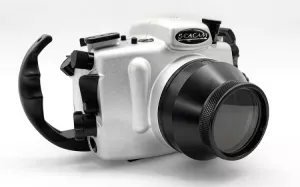
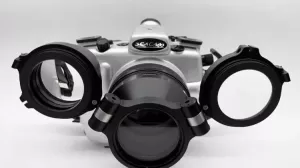
Seacam’s Optical Precision Port uses corrective optics to address some longstanding limitations of rectilinear wide-angle lenses underwater.

Seacam Optical Precision Port

One persistent compromise in underwater photography is that an excellent lens on land does not necessarily remain excellent underwater.

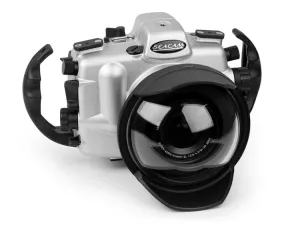
The problem is particularly apparent with rectilinear wide-angle lenses. Place one behind a conventional dome port and the interaction between water, glass and air can introduce corner softness, chromatic aberration and field curvature. Photographers have learnt to work around these limitations with large domes, carefully selected extension rings and smaller apertures.

Seacam Achromat

Seacam's new Achromat 4.0 MICRO LENS and flip system is out now.
Normal macro ain't enough for you? Here you go!
The supermacro lens achieves a magnification of 4:1, meaning, 4 times larger than classic macro lenses.

The 4.0 MICRO LENS features a standard 67mm thread and is ready to use
with Seacam’s MIP 60 and MIP 80 microports.

The new Achromat 4.0 supermacro lens can be
paired with Seacam’s new flip system, which mounts on their MIP 60 or MIP 80 microports.
The Single Flip Adapter Base is designed for one lens, and with the Dual Flip Adapter
Extension, usage of the macro lens devices is possible.

Seacam Housing for the Leica SL2/SL2-S

Owning a Leica is not just owning a quality camera. It is living a philosophy only Leica fans can understand.

Whilst the high quality is unquestionable, the investment of buying a Leica truly makes keen underwater photographers think twice about how to keep their “baby” safe. Seacam is taking care of such concerns.

SEACAM housing for Canon EOS R5

Seacam has announced the production of a new "silver-line" underwater housing for the new CANON EOS R5 full-frame mirrorless camera.

Seacam for CANON R5

According to the announcement, the housing will offer full access to all camera controls, including the rear multi-controller. It will accept both CANON R- and EF-mount lenses (by using Canon’s adapters) and will include three ports for strobe triggering, vacuum, or remote control. Furthermore, an HDMI 2.0 port will be included.

Dates of completion of development and availability are not yet confirmed but are expected to be announced within a short time.