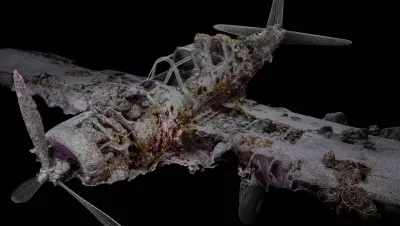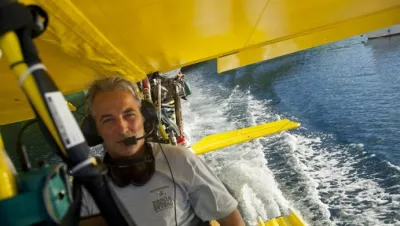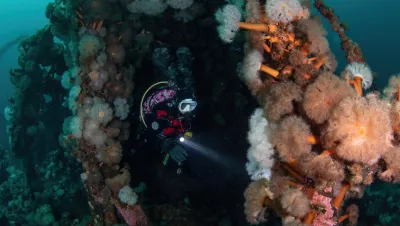
There is a huge potential for wreck photogrammetry in Kavieng and the neighbouring large island of New Hanover in Papua New Guinea, for it is here that one can find several notable wrecks of WWII aircraft. Don Silcock shares his experience working with technical expert Sean Twomey in an initiative to capture photogrammetry imagery of the wrecks before they succumb to the ravages of time and eventually disappear.
Feature articles in this issue with stand-alone pdfs
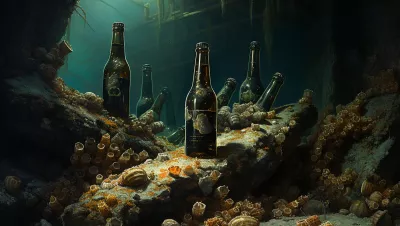
Exploring the world of submerged beverages: From 400-year-old liquor to age-defying wines and 19th-century beers, a liquid legacy emerges from the ocean depths.
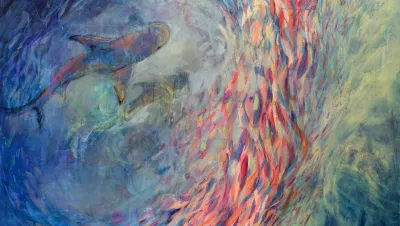
Artist and technical diver Grace Marquez, who is based in Canada, creates dynamic paintings of sublime underwater scenes, with a keen eye for how to capture on canvas what it is like to dive on wrecks, reefs and in caves and caverns. X-Ray Mag interviewed the artist to learn more about her creative process and how technical diving has influenced her artwork and perspectives.
Unveiling Max Ammer’s extraordinary journey—from pioneering Raja Ampat as a world-class diving site to his relentless dedication towards uplifting local communities and championing environmental conservation—Don Silcock has the story.
Newfoundland, part of the easternmost province of Canada, is a place of wild nature where one can dive on WWII wrecks, in historic iron-ore mines, birdwatch, snorkel with humpback whales and kayak with minke whales. Brandi Mueller shares her adventure there.
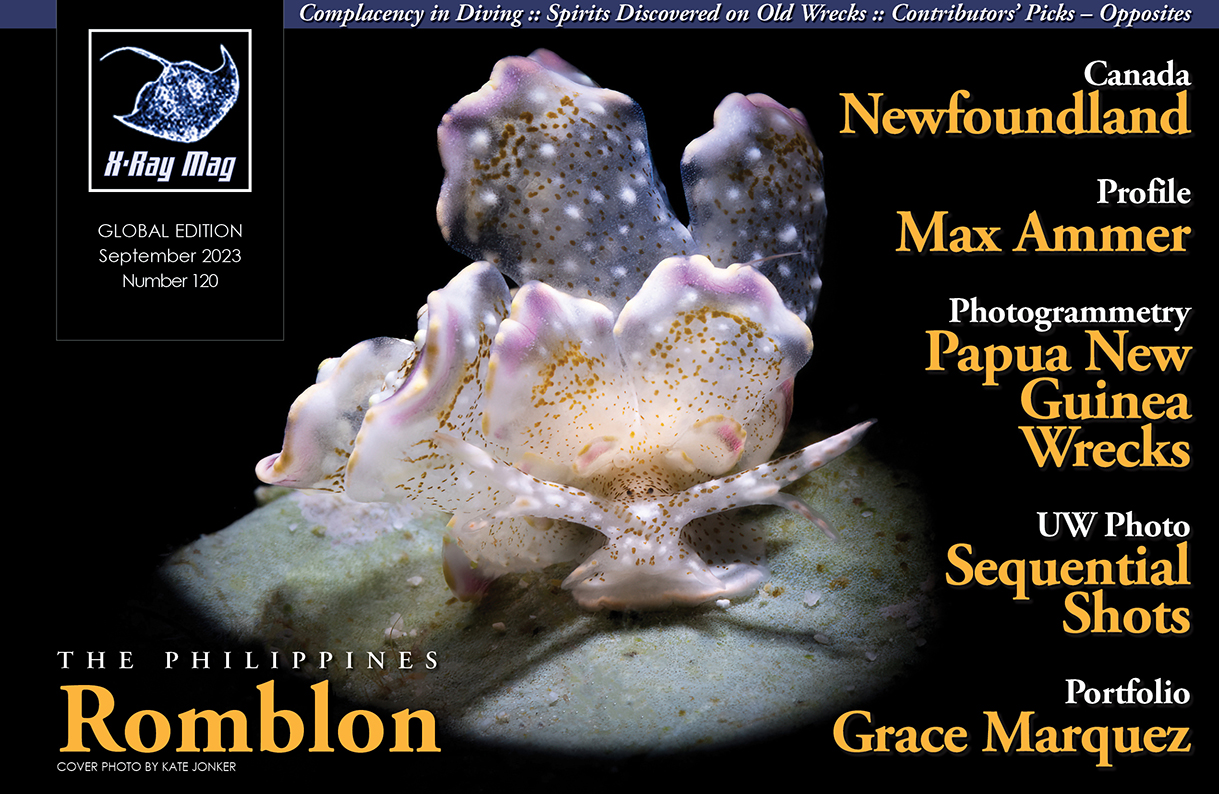
Nestled in the heart of the Philippines is a hidden gem of an island called Romblon, located in the Mimaropa region. Kate Jonker takes us there to discover the underwater treasures and rare marine species that beckon divers and photographers from all over the world.
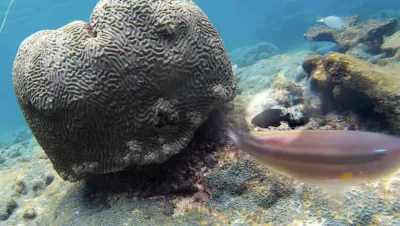
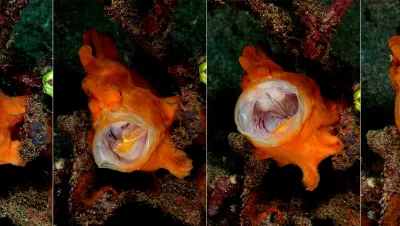
The transition from analog to digital cameras has been a boon for photographers, granting them unlimited shots and freedom of movement. These circumstances lend themselves well to the technique of shooting sequential stills. Underwater photographer Claudio Ziraldo shares his insights and tips on taking sequential shots underwater.
People commonly say that experienced divers should guard against complacency, but what does that mean? Some associate the idea of complacency with arrogance, carelessness or negligence, and reassure themselves that if character traits such as these do not apply to them, then they do not have to worry about being complacent. Simon Pridmore offers insights into this phenomenon and how to prevent it.
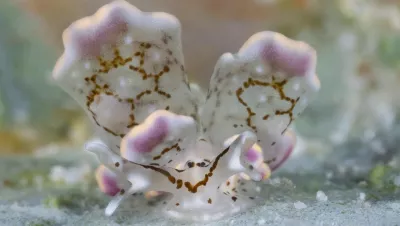
We asked our contributors to share their favorite underwater images showing variations on the theme of “Opposites,” and they came back with a diverse range of color and black-and-white photos featuring marine life from large whales to tiny nudibranchs and fellow divers on reefs and wrecks, in caverns and cenotes as well as open waters.
Other news published in this issue
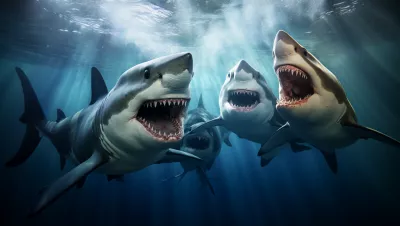
Recent research about sharks challenges perceptions, revealing their advanced cognitive and emotional capacities.
Bipartisan Senate bill aims to enhance transparency in travel industry pricing.
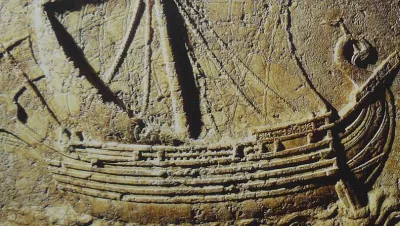
A 2,500-year-old Phoenician shipwreck off the coast of Mazarrón is slated for an unprecedented rescue operation by Spanish archaeologists.
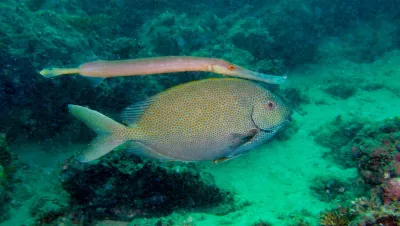
An experiment on coral reefs provides the first evidence that predators use other animals for motion camouflage to approach their prey without detection.
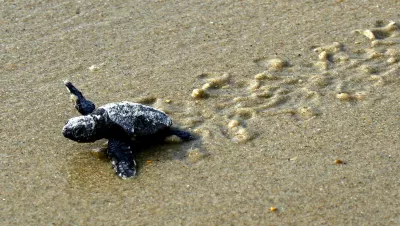
As of the end of July, Loggerhead Marinelife Center documented a record-breaking 22,469 loggerhead turtle nests on their local beaches in Florida.
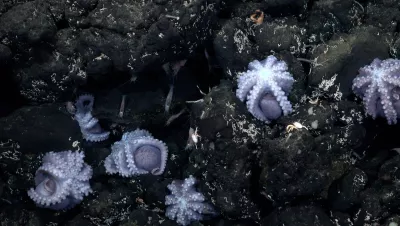
International scientists have identified a new deep-sea octopus nursery off the coast of Costa Rica. This revelation, combined with the confirmation of a previously known nursery's activity, brings the total number of known octopus nurseries worldwide to three.
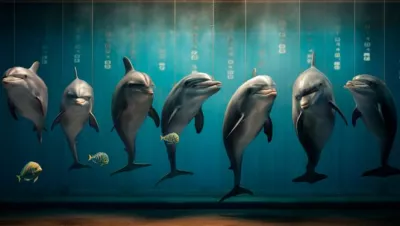
Groundbreaking research uses facial recognition technology to identify individual whales and dolphins, providing new tools for conservation efforts.
Archaeologists have recovered exquisitely preserved Roman glassware from a 2,000-year-old shipwreck near the coast of Rome, shedding light on ancient maritime trade routes.
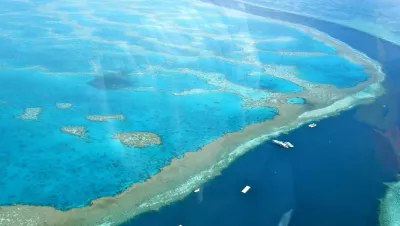
Amid mounting climate change concerns and looming El Niño summer, the iconic Great Barrier Reef narrowly dodges a World Heritage status downgrade from UNESCO, underscoring the urgency for intensified global conservation efforts.
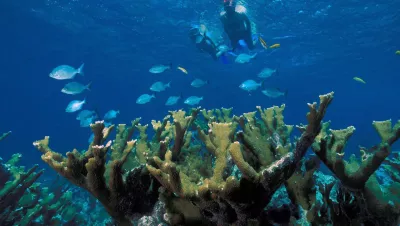
A recent study reveals that endangered elkhorn coral off the coast of Florida demonstrates resilience through natural adaptation, offering hope for coral reef preservation.
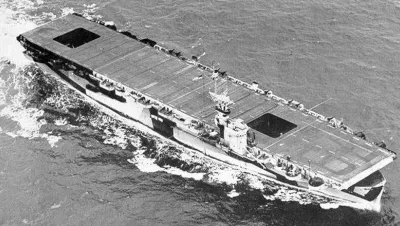
The US Navy has confirmed the discovery of the WWII carrier USS Ommaney Bay, lost to a kamikaze attack in the Pacific Theater.
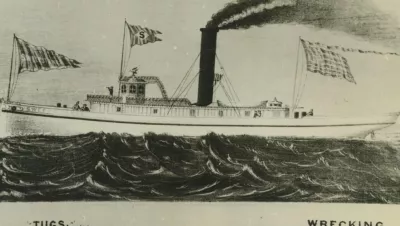
A tug boat that disappeared into Lake Superior 144 years ago has been found, according to the Great Lakes Shipwreck Historical Society.
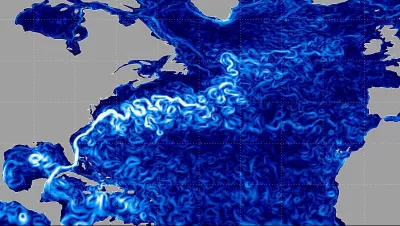
As climate change accelerates, the Gulf Stream shows signs of instability. Is a collapse imminent, or is the narrative more nuanced?
Unearthing Maritime History: The Bahamas Lost Ships Project reveals hidden treasures beneath the surface.
Recent underwater archaeological efforts by UNESCO and eight Member States have revealed three shipwrecks, contributing to the protection of our shared underwater heritage.
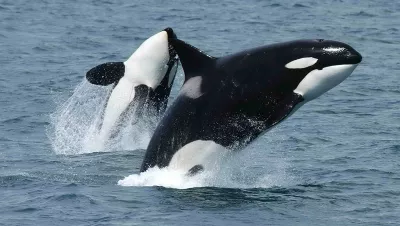
Orcas resident off the Pacific Northwest coast of Canada and the US appear to be suffering from some kind of skin disease, new research suggests.
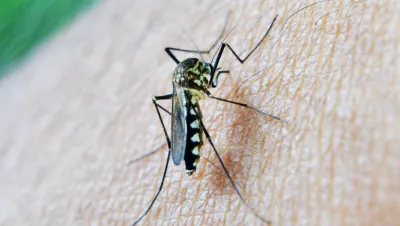
Tips to minimize the impact of the most quintessential nuisance when going on dive trips to some tropical areas.
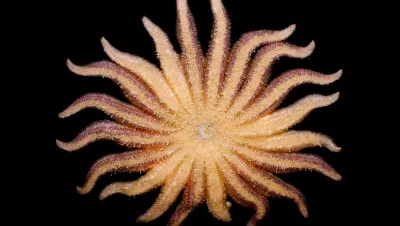
Endangered sunflower sea stars show promise in restoring kelp forest health.
When sharknose gobies offer their cleaning services at reefs where there are damselfish, the damselfish chase away the gobies’ "customers." A study uncovers why they do that.