- Magazine
- News
-
Travel
-
Destinations
- Australia & New Zealand
- Continental Asia
- Southeast Asia
- South Pacific & Oceania
- Indian Ocean
- Red Sea
- Africa
- Mediterranean & Adriatic
-
Europe
- Northern Europe
- Eastern Europe
- Western Europe
- Southern Europe
- Atlantic
- North America
- Caribbean & Central America
- South America
- Polar Regions
- Promotions
- My Favorite Dive
-
Destinations
- Training & Tech
- Equipment
- Photo & Video
- Ecology
- Wrecks
- Lifestyle
- âš² Search
Press Release
Received from:
DAN
Press Release
Received from:
DAN
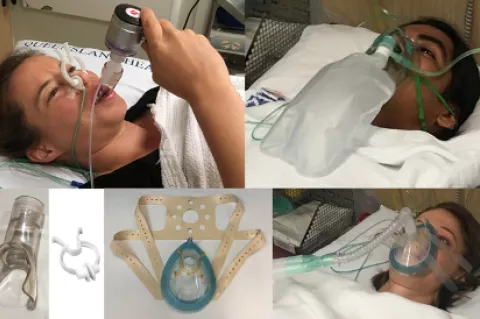
Comparing the Performance of First Aid Oxygen Delivery Systems
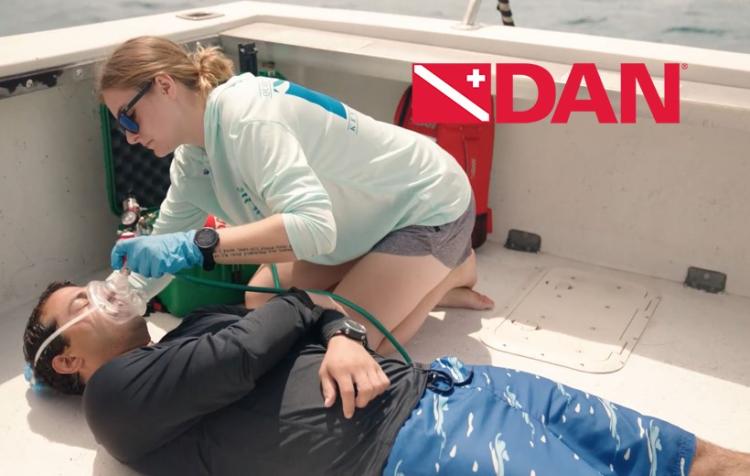
The diving community understands that oxygen administration is a first aid treatment priority for divers with suspected decompression illness. The goal is to deliver oxygen at the highest possible concentration, being mindful of oxygen supply limits.
Stings & Scrapes - Part 1
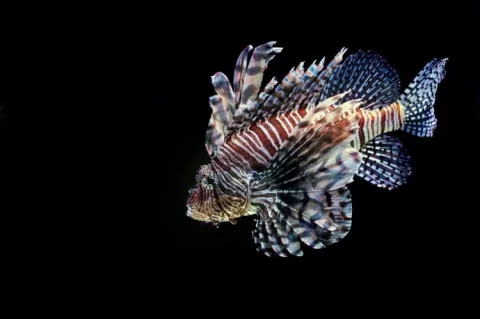
While the most exotic of these potentially dangerous organisms are fairly well known, the more mundane sometimes cause uncertainty. Know what’s most likely to cause an injury on your next dive so you can relax and enjoy making bubbles.
In part one of this two-part series we’ll refresh your knowledge of wound care and treating common marine stings; next month we’ll cover injuries that involve scrapes, bites and penetrating wounds.
Advanced First Aid for Divers
These situations are especially daunting in remote locations. Learning how to respond to some of the most common medical emergencies before your next offshore trip or diving expedition could help you save a life. Do you know how to identify the early warning signs of these common emergencies?
- Read more about Advanced First Aid for Divers
- Log in to post comments
Stings & Scrapes — Part 2
Stingrays
Stingrays are frequently considered dangerous or threatening but largely without cause. These are shy fish that generally present no threat to divers unless stepped on or deliberately antagonized. Most stingray injuries occur in shallow water when beachgoers step on the animals. Stingrays can vary in size from just a few inches to more than six feet wide and have a serrated barb at the end of their tails that can cause serious injuries. At the base of the barb are two venomous glands that can cause infections and exacerbate an initial penetrating wound.
- Read more about Stings & Scrapes — Part 2
- Log in to post comments
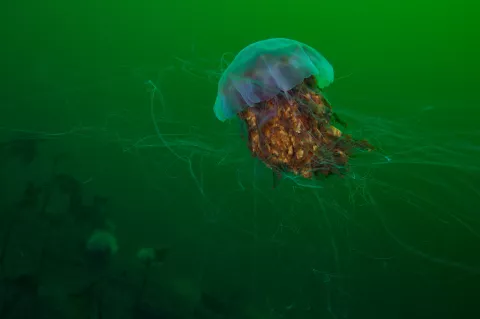
Jellyfish stings: Hot water better than ice
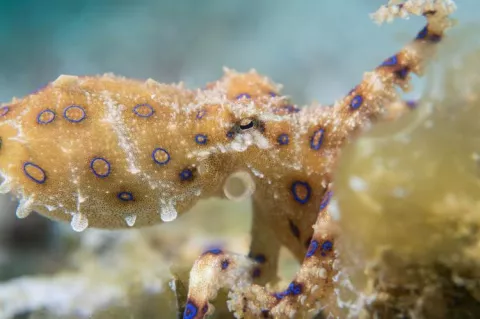
After combing through more than 2,000 articles and conducting a systematic review of the evidence for the use of heat or ice in the treatment of cnidarian envenomations, the team concluded that the majority of studies to date support the use of hot-water immersion for pain relief and improved health outcomes.
- Read more about Jellyfish stings: Hot water better than ice
- Log in to post comments