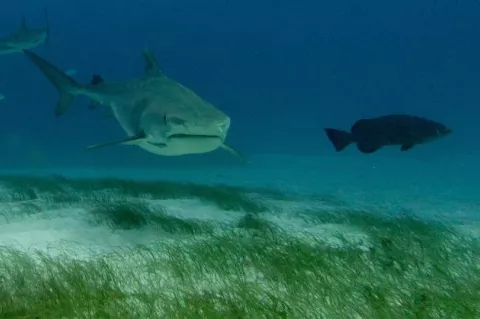
Tiger Sharks Help Researchers Uncover Seagrass Ecosystem

Their groundbreaking study, published in 2022, marks a significant milestone in understanding and preserving vital marine ecosystems that are crucial for mitigating climate change.

Their groundbreaking study, published in 2022, marks a significant milestone in understanding and preserving vital marine ecosystems that are crucial for mitigating climate change.

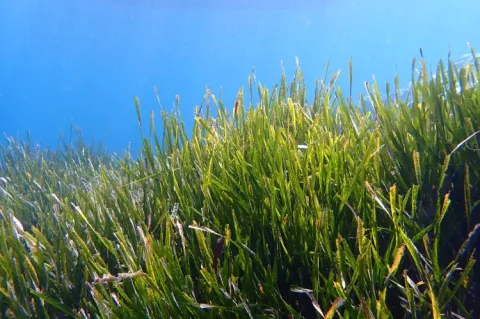
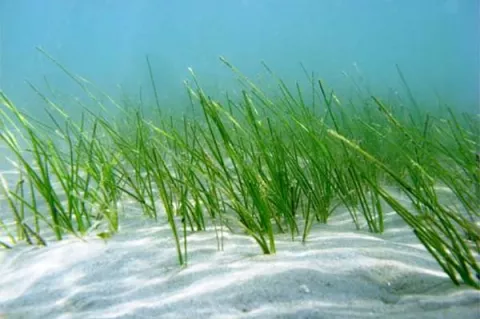
Seagrasses need nutrients to thrive, particularly nitrogen (N). Up to now, it has been assumed that the nitrogen is taken up by the seagrasses through leaves and roots from the surrounding seawater and sediment.
However, in many of the regions where seagrasses are most abundant, there is little nitrogen to be found. Furthermore, while nitrogen is abundant in the sea in its elemental form (N2), seagrasses cannot use it in this form.
High Springs, Florida, (November 2021) -- Divers represent a small portion of the population that get to see the underwater world first hand, yet they often contribute to its decline. To help offset some of the environmental damage from shipping their own merchandise, the non-profit scuba diving organization, Global Underwater Explorers (GUE), has donated to the conservation and restoration of seagrass meadows, mangroves and salt marshes through The Ocean Foundation’s SeaGrass Grow Program.

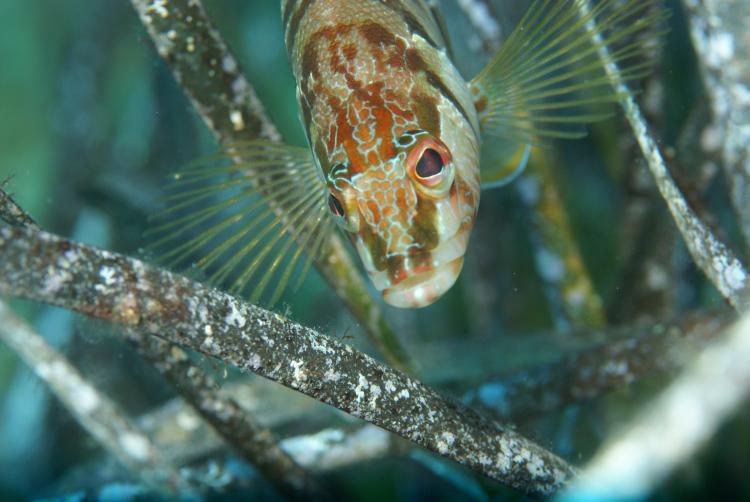
Admittedly, the idea of protecting seagrass is not as “glamorous” as protecting the rainforest, but this marine vegetation is essential to both marine life and humans. A new study by scientists from Cardiff University, Swansea University and Stockholm University, and published in the Fish and Fisheries journal, highlights the global importance of seagrass to fisheries.
“Wherever you find seagrass and people, there is most certainly fishing,” said Dr Leanne Cullen-Unsworth, from Cardiff University’s Sustainable Places Research Institute.